
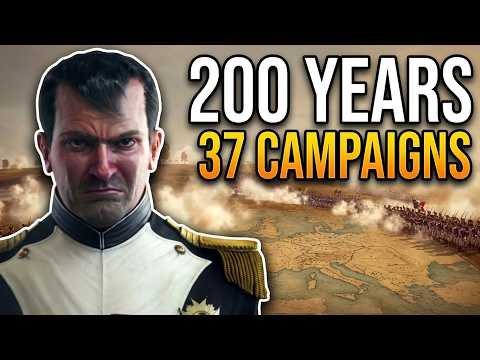
Conquer Europe with Napoleon s Iron Will
Few figures in history stir the imagination quite like Napoleon Bonaparte. His campaigns reshaped the map of Europe, his strategies are still studied in military academies, and his ambition continues to inspire board games, video games, and tabletop simulations. For enthusiasts of historical strategy, the thrill of commanding Grande Armée, planning a daring march on Moscow, or outflanking the Prussians at Jena is irresistible. The best way to step into his boots is through thoughtfully crafted experiences that blend authentic history with engaging mechanics. One excellent resource for finding such titles is napoleongames.store, where fans can explore a wide selection of games dedicated to this era.
The Enduring Allure of Napoleonic Warfare
What makes Napoleon s campaigns so compelling for game designers? The answer lies in a perfect storm of factors: distinct unit types, decisive terrain, charismatic leadership, and shifting alliances. Unlike the static trench warfare of later centuries, Napoleonic battles were fluid, unpredictable dramas. A well-timed cavalry charge or a miscommunication between corps could change everything in minutes. Games that capture this chaos force players to think like a commander, balancing aggression with caution, supply lines with battlefield positioning. The emphasis is not just on rolling dice, but on making tough choices under pressure.
From Grand Strategy to Tactical Skirmishes
The world of Napoleonic games is surprisingly diverse. Some titles zoom out to let you manage entire campaigns over months and years, handling logistics, diplomacy, and recruitment. Others zoom in to the battalion level, where you maneuver individual regiments across a detailed map of Waterloo or Austerlitz. There are also card-driven games that emphasize the uncertainty of orders and the fog of war, as well as fast-paced digital adaptations that let you complete a battle in an evening. Each genre offers a different lens on the same fascinating period, and many players enjoy switching between them to gain a fuller understanding.
Key Elements That Define a Great Napoleonic Game
Not all games set in this era are created equal. The best ones share certain characteristics that elevate them above mere historical window dressing. First, they must respect the tactical realities of the time: infantry squares, artillery positioning, and the fragility of cavalry against prepared defenses. Second, they need a solid command system that reflects the difficulty of relaying orders across a smoky, chaotic battlefield. Third, the victory conditions should reward historically plausible strategies rather than ahistorical tricks. When a game gets these fundamentals right, it becomes a genuine teaching tool as much as a source of entertainment.
- Authentic unit characteristics: Each troop type behaves distinctly, from skirmishing light infantry to heavy cuirassiers.
- Terrain and weather effects: Mud, hills, rivers, and forests dramatically impact movement and combat outcomes.
- Morale and cohesion: Units can waver, rout, or rally based on losses and leadership.
- Historical scenario accuracy: Order of battle, troop strengths, and starting positions match real records.
- Replayability: Variable setup, alternate history branches, or multiple scenarios keep each session fresh.
Comparing Popular Approaches to Napoleonic Gaming
To help you decide where to start, here is a comparison of three common styles found in Napoleonic games today. Each offers a different balance of complexity, play time, and historical depth.
| Style | Focus | Typical Play Time | Best For |
|---|---|---|---|
| Grand Campaign | Economic & diplomatic management, multi-year strategic planning | 10–40 hours per campaign | Players who love deep, slow-burn strategy |
| Tactical Battle | Unit positioning, terrain use, real-time or turn-based combat | 1–4 hours per battle | Those who enjoy direct command and historical reenactments |
| Card-Driven Wargame | Uncertain events, hidden information, command points | 2–6 hours per game | Fans of narrative tension and variable outcomes |
Each style has its passionate advocates. Some players prefer the sweeping narrative of a campaign, where one decision in 1805 might affect the outcome in 1812. Others crave the immediacy of a tactical firefight, where every hex and every flanking move matters. The card-driven approach appeals to those who enjoy unpredictability and storytelling, as a single event card can turn a sure victory into a desperate retreat.
Choosing Your First Napoleonic Game
If you are new to this historical niche, the sheer number of options can feel overwhelming. A good starting point is to ask yourself what aspect of the era fascinates you most. Are you drawn to the grand sweep of the Russian campaign, or to the intense, localized fighting at a village like Hougoumont? Do you prefer solo play against a strong AI, or head-to-head competition with a friend? Many modern titles offer excellent tutorials and adjustable difficulty levels, so do not be afraid to begin with a simpler system. Patience and curiosity are your greatest assets—each loss teaches you something about 19th-century warfare that no textbook can convey.
Frequently Asked Questions About Napoleonic Games
Do I need to be a history expert to enjoy these games?
Not at all. While historical knowledge enriches the experience, most games are designed to be accessible to newcomers. The mechanics themselves teach you the challenges Napoleon faced.
Are there good digital options, or are only tabletop games worthwhile?
Both digital and tabletop games offer excellent experiences. Digital versions handle complex calculations instantly, while tabletop games provide a tangible, social experience. Many players enjoy both formats.
How long does a typical game session last?
It varies widely. Some tactical skirmishes can be completed in under an hour, while grand campaign games may stretch across multiple sessions lasting dozens of hours in total.
Can I play these games solo?
Yes, many Napoleonic games include robust solo modes with automated opponents or scenario-based challenges. Some are designed exclusively for solo play.
What is the best game for someone completely new to the genre?
A good entry point is a game with clear tutorials, moderate complexity, and a focus on a single famous battle. Starting small helps you grasp core mechanics without feeling overwhelmed.
Where can I find reliable reviews or community recommendations?
Dedicated wargaming forums, YouTube channels focused on historical strategy, and specialty online retailers often provide detailed breakdowns and player discussions that can guide your choice.

