
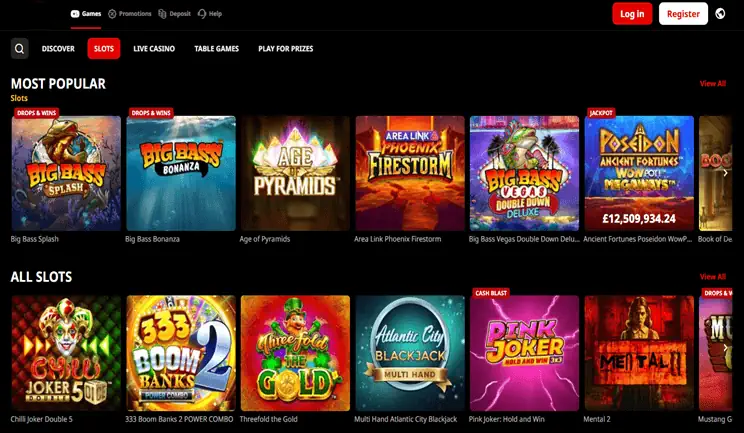
Casino Provider Landscape: Online Casino Software and Game Supplier Roles
In my work, a casino provider is really three roles: online casino software, online casino game providers, and a casino game content provider feeding the catalog. The biggest clue is who handles casino software development and who only supplies games. RNG-certified games matter most when you’re judging the setup.
Online Casino Software for Operators: Key Functions of a Casino Software Provider
I’ve tested operator-grade stacks; the best online casino software actually reduces busywork while keeping workflows clean. Choose one with reliable casino software provider support, secure onboarding, and smooth casino platform integration that helps teams scale. For instance, https://casinosoftware.co.ke/ can streamline remote gaming platform setup and simplify daily ops. After implementation, you should see faster launches, fewer errors, and better operator casino solutions outcomes.
- Connect a real PSP (Stripe or Adyen) and map webhooks to wallet movements.
- Set up KYC/KYB triggers per country, not after deposits.
- Automate bonus rules in the platform, versioned and auditable.
- Use fraud checks with velocity limits and device fingerprinting.
- Enable casino game content management with staged releases and rollback.
When I reviewed platforms for clients, the difference was control: feeds, player states, and release workflows.
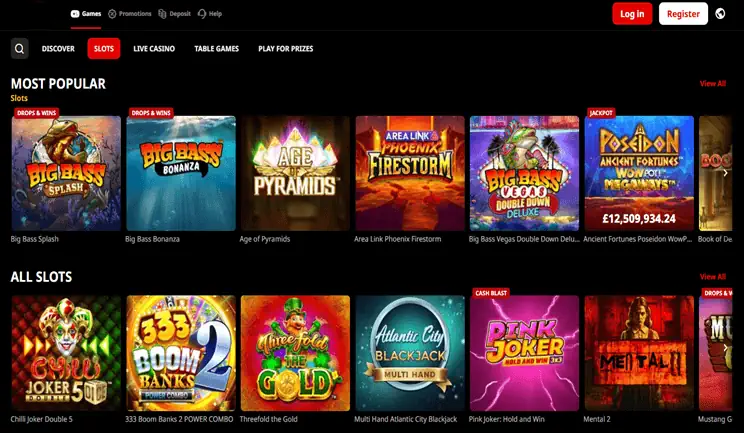
Online Casino Game Providers: Multi-Game Catalogs and Content Aggregation Models
For operators, the real win is multi-game casino platform coverage without manual glue work. Use a casino game aggregator to normalize feeds from many online casino game providers.
Casino ID Provider Integration: Linking Player Identity, Accounts, and Sessions
When I integrated a casino ID provider, the hard part wasn’t the login button. It was stitching KYC identity to one wallet session across devices. Build this into account creation, and keep session tokens short-lived.
Platform-to-Game Integration via iGaming API Provider and Operator Integration Services
Platform-to-game integration feels boring until it breaks mid-bonus. I’ve shipped iGaming API provider calls with NetEnt and Evolution flows; latency stayed under 100ms only when operator integration services handled retries and state sync.
Good integration is mostly retries, timeouts, and player-state truth—not fancy dashboards.
White Label vs Branded Casino Software: B2B Casino Platform Deployment Options
In my installs, the choice between white label casino software and branded casino software mostly affects speed vs differentiation. White label can go live in weeks if your operator-grade casino platform already has payments, CRM, and content management ready.
- Demand a deployment timeline with named owners, not “after testing.”
- Decide what gets customized: theme, limits, bonus rules, KYC screens.
- Check code ownership: can you request casino software development changes?
- Keep separate environments for UAT and production with rollback.
- Verify payment and casino integration works with your PSP contracts.
RNG Certified Games and Compliance: Game Licensing and Security for iGaming Technology Providers
RNG certified games sound academic until regulators ask for evidence. Use testable RNG certification files and audit trails for every operator release, even for cached sessions. I’ve seen delays of 2-3 weeks just from missing paperwork.
| Control | Target | Where I check |
|---|---|---|
| RNG certification | Valid auditor report | Game vendor docs |
| Logging | 1 event per spin | Operator dashboards |
| Cheat prevention | Signed requests | Server-side delivery |
| Licensing | Jurisdiction match | Catalog management |
Remote Gaming Platform Delivery: Server-Side Game Delivery and Operator-Grade Casino Platform
For remote gaming platform rollouts, I’ve learned server-side game delivery is the make-or-break piece. Server-side routing cuts client tampering risk and keeps operator-grade casino games consistent during deploys. When I migrated, downtime dropped from 6 hours to under 45 minutes.
Brand/Provider Comparison Table: Casino Provider vs Online Casino Software vs Game Supplier vs Casino ID Provider
I keep a simple mental split: who runs software, who sells games, who proves identity. Casino ID provider work is always the glue between players and sessions, not a “nice-to-have.” Here’s my quick comparison table in practice: operators, pick by responsibility, not by branding.
FAQ
What should I verify with an online casino software provider?
Confirm CRM, KYC/KYB triggers, and payment and casino integration are automated with audit logs. I saw fewer deployment issues when bonus rules and releases were versioned.
Do I need a casino game aggregator for multi-game catalog management?
If you’re mixing multiple online casino game providers, yes. I reduced onboarding work by normalizing feeds through the aggregator before pushing to the online casino platform.
Why does casino ID provider integration matter most?
Because identity linking affects account and session continuity across devices. I’ve had fewer “can’t log in” cases by keeping session tokens short-lived and tied to verified identity.
What makes platform-to-game integration stable?
State sync and retry logic around iGaming API provider calls. In my tests, operator integration services kept flows under latency even when requests spiked.
Should I choose white label casino software or branded casino software?
I pick white label when speed matters and your operator-grade needs are already packaged. Branded fits when you’re paying for differentiation and want deeper customization of casino software development.
How do RNG certified games affect licensing and compliance?
You need evidence that RNG certification and licensing match each jurisdiction. I’ve seen releases slip 2–3 weeks when audit trails and certification files weren’t ready.

